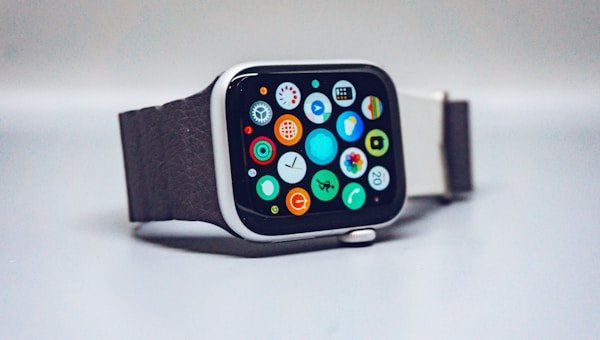
Smartwatches have evolved from simple notification mirrors to powerful health and fitness companions that can genuinely improve your wellbeing. In 2026 the Indian smartwatch market offers incredible options at every price point from premium Apple and Samsung devices to feature-packed budget options from Amazfit and Noise. Whether you want advanced health tracking, fitness coaching or seamless smartphone integration there is a perfect smartwatch for your wrist and budget.
Premium Smartwatches
The Apple Watch Ultra 3 leads the premium segment with its rugged 49mm titanium case, the brightest always-on display at 4000 nits and up to 72 hours of battery life in low power mode. Advanced health sensors track blood oxygen, ECG, skin temperature and sleep stages with medical-grade accuracy. The new Depth Gauge and Siren features cater to adventurers and divers. However it only works with iPhones limiting its audience. The Samsung Galaxy Watch 7 Ultra offers a compelling Android alternative with a durable titanium build, BIA body composition analysis, advanced sleep coaching and up to 60 hours of battery life. It works with any Android phone and integrates seamlessly with Samsung Galaxy ecosystem including phone camera control and Samsung Pay.
Best Budget Smartwatches Under 10000 Rupees
The budget segment has become surprisingly capable. The Amazfit GTR 5 delivers a gorgeous 1.43-inch AMOLED display, built-in GPS, SpO2 monitoring, stress tracking and an impressive 14-day battery life all under 8000 rupees. The Noise ColorFit Ultra 3 offers a large 1.96-inch display with Bluetooth calling, 150 plus sports modes and smart notifications at just 4000 rupees. Fire-Boltt Phoenix Ultra provides excellent value with its metallic build, rotating crown for navigation and comprehensive health tracking under 3000 rupees. These budget watches handle notifications, fitness tracking and basic health monitoring surprisingly well for their price.
Health Features That Actually Matter
Modern smartwatches track an impressive array of health metrics but not all features are equally useful. Heart rate monitoring and irregular rhythm detection have proven life-saving capabilities with documented cases of watches alerting users to previously undetected heart conditions. Sleep tracking helps identify patterns and improve rest quality over time. SpO2 monitoring gained relevance during the pandemic and remains useful for detecting respiratory issues early. Step counting and activity reminders help maintain an active lifestyle. However take stress scores and body battery readings with a grain of salt as these metrics are less scientifically validated and can vary significantly between devices.
How to Choose the Right Smartwatch
Start by considering your smartphone ecosystem as Apple Watch only works with iPhone and some features of Samsung and Wear OS watches work best with their respective brand phones. Battery life is crucial since a watch that needs daily charging becomes inconvenient quickly. Budget watches typically last 7 to 14 days while premium models last 1 to 3 days. Decide whether you need built-in GPS for outdoor activities or if connected GPS through your phone is sufficient. For fitness enthusiasts look for watches with accurate heart rate sensors, workout auto-detection and integration with apps like Strava or Google Fit. Finally consider comfort and style since you will be wearing it all day every day and choose a size and design that suits your wrist and personal aesthetic.