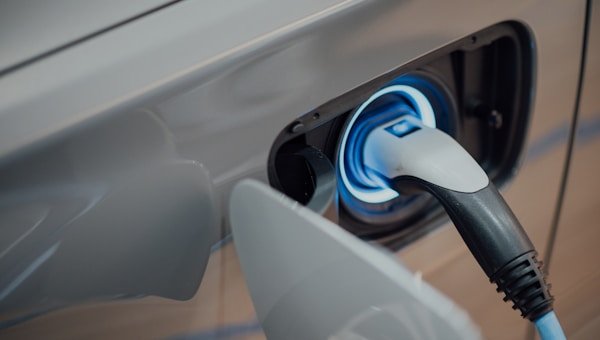
India electric vehicle revolution is accelerating at a breathtaking pace in 2026. Government incentives, falling battery costs, expanding charging infrastructure and growing environmental awareness have combined to make EVs a practical mainstream choice for Indian consumers. From compact city cars to luxury SUVs the options for electric mobility have never been more diverse or affordable.
Best Electric Cars in India 2026
The Tata Nexon EV Max continues to dominate the affordable EV segment with its proven reliability and impressive 437 km range on a single charge. The 40.5 kWh battery pack supports 50 kW DC fast charging reaching 80 percent in just 56 minutes. Available in multiple variants starting around 15 lakh rupees it offers excellent value with features like connected car technology, ventilated seats and a panoramic sunroof. Tata extensive service network across India provides peace of mind for first-time EV buyers.
Mahindra XEV 9e represents the new generation of Indian electric SUVs with its born-electric INGLO platform. The 79 kWh battery delivers an impressive 550 km range while the dual-motor AWD variant produces 285 horsepower. The futuristic interior features three screens spanning the entire dashboard, Level 2 ADAS features and over-the-air updates. Priced between 22 to 30 lakh rupees it competes directly with international brands.
For premium buyers the Hyundai Ioniq 6 offers a sleek aerodynamic sedan with 614 km range, 800V architecture supporting 350 kW ultra-fast charging and Vehicle-to-Load capability that lets you use your car as a portable power source. BYD Seal brings Chinese EV innovation to India with its blade battery technology, 530 km range and a competitive price starting around 25 lakh rupees.
Electric Two-Wheelers
The electric two-wheeler segment has exploded in India with options for every budget. Ola S1 Pro Gen 3 features a 5.3 kWh battery delivering 195 km range with a top speed of 120 kmph. The MoveOS software receives regular updates adding new features over the air. Ather 450 Apex offers the sportiest riding experience with 0-40 kmph acceleration in just 2.6 seconds and a refined riding dynamics. TVS iQube ST remains the practical choice for daily commuters with its comfortable ride quality and efficient range of 150 km. For budget buyers the Bajaj Chetak and Hero Vida V1 Pro offer reliable electric mobility under 1.5 lakh rupees.
Charging Infrastructure in India
Charging infrastructure has improved dramatically across India in 2026. Tata Power has installed over 25000 public charging stations across 500 cities including fast chargers on all major national highways. The Delhi-Mumbai Expressway features charging stations every 50 km. Companies like Ather Grid, ChargeZone and Statiq are rapidly expanding their networks. Home charging remains the most convenient option with a standard 15A socket providing full overnight charges. For faster home charging dedicated 7.4 kW wall boxes can charge most EVs in 4 to 6 hours and cost between 15000 to 30000 rupees installed.
Government Incentives and Savings
The FAME III scheme provides substantial subsidies on electric vehicles reducing purchase prices by up to 1.5 lakh rupees for two-wheelers and 3 lakh rupees for four-wheelers. Additional state-level incentives in Delhi, Maharashtra, Gujarat and Karnataka further reduce costs. Beyond purchase subsidies EV owners benefit from zero road tax, reduced registration fees and lower insurance premiums. The running cost savings are significant with EVs costing approximately 1 to 1.5 rupees per kilometer compared to 6 to 8 rupees for petrol vehicles. Over a typical ownership period of 5 years an EV owner can save 3 to 5 lakh rupees in fuel costs alone.
Should You Buy an EV in 2026
If you drive less than 100 km daily have access to home charging and are looking for long-term cost savings an electric vehicle makes excellent financial sense in 2026. The technology has matured significantly with modern EVs offering reliable performance, minimal maintenance and increasingly competitive pricing. Battery warranties of 8 years or 160000 km provide confidence in long-term durability. However if you frequently take long highway trips to areas with limited charging infrastructure or do not have access to home charging a plug-in hybrid might be a better transitional choice until the charging network becomes even more widespread.