Smart home technology has evolved from a luxury for tech enthusiasts to an affordable mainstream reality. In 2026 you can transform your entire home into a connected intelligent living space for surprisingly little money. From voice-controlled lighting and automated security systems to smart kitchen appliances and energy-saving thermostats the possibilities are virtually endless.
Smart Speakers and Hubs
Every smart home needs a central hub and the latest smart speakers serve as the perfect starting point. The Amazon Echo Hub features a wall-mounted 8-inch touchscreen display that acts as a control center for all your smart devices. You can view security cameras control lights adjust thermostats and manage routines all from one elegant interface. Google Nest Hub Max combines a 10-inch smart display with a built-in Nest Cam offering video calling, recipe guidance and whole-home audio in a single device. Apple HomePod Mini delivers exceptional sound quality with Siri integration for users in the Apple ecosystem supporting Thread and Matter protocols for broad device compatibility.
Smart Lighting Systems
Smart lighting is one of the easiest and most impactful smart home upgrades. Philips Hue remains the gold standard with over 16 million colors precise dimming controls and integration with virtually every smart home platform. You can set lights to automatically turn on at sunset gradually brighten in the morning to simulate sunrise or change colors based on what is playing on your TV. For budget-conscious buyers Wipro and Syska offer affordable smart bulbs starting under 500 rupees that work with Alexa and Google Assistant.
Smart Security Systems
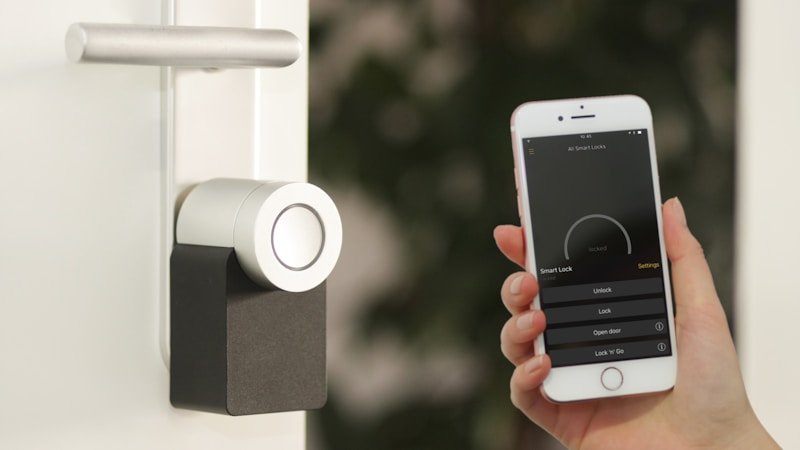
Home security has been revolutionized by smart cameras doorbells and sensors. The Ring Video Doorbell Pro 2 uses AI-powered 3D Motion Detection to distinguish between people packages animals and vehicles sending specific alerts to your phone. Arlo Pro 5S delivers 2K HDR video quality with color night vision and a built-in spotlight. For comprehensive home monitoring the Google Nest Protect combines smoke and carbon monoxide detection with smartphone alerts and voice warnings. Smart locks like August Wi-Fi Smart Lock allow you to lock and unlock your door remotely share virtual keys with guests and keep a log of everyone who enters your home.
Smart Kitchen Appliances
The kitchen is becoming one of the smartest rooms in the house. Samsung Family Hub refrigerator features a built-in touchscreen that lets you see inside without opening the door manage grocery lists and stream entertainment while cooking. Smart ovens from brands like June and Tovala use AI-powered cameras to identify food and automatically set the perfect cooking temperature and time. Smart coffee makers can be scheduled through your phone ensuring a fresh cup is ready exactly when your morning alarm goes off.
Robot Vacuums and Cleaning
Robot vacuums have become truly intelligent in 2026. The iRobot Roomba j9 Plus uses advanced AI vision to navigate around obstacles identify different floor types and empty its own dustbin automatically. The Roborock S8 MaxV Ultra combines vacuuming and mopping with a self-washing self-drying dock that requires minimal maintenance. Ecovacs Deebot X5 Omni features a unique square design that reaches into corners more effectively than round competitors. These devices can be scheduled through apps controlled by voice and integrated into automated cleaning routines.
Getting Started with Smart Home
Building a smart home does not require a massive upfront investment. Start with a smart speaker as your hub then gradually add devices based on your priorities. Choose a single ecosystem such as Alexa Google Assistant or Apple HomeKit for the smoothest experience. Look for devices that support the Matter protocol as this ensures cross-platform compatibility. Set up automated routines that trigger multiple actions with a single command like saying Good Night to turn off all lights lock doors set the thermostat and arm your security system.